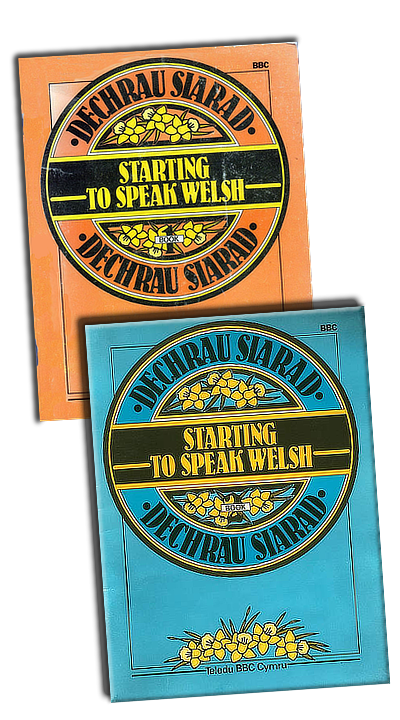
|
|
Bernard Evans
|
|
Bernard Evans was born in October 1926 the son of Gomer Evans, (from Llansteffan), who worked in the coal mining industry, and his wife Elizabeth, née Phillips, (from Pembrokeshire). He was brought up in Carway, a village midway between Trimsaran and Pontyates in Carmarthenshire, with three brothers and a sister. He attended Gwendraeth Valley Grammar School, 1939-44, and later studied at U.C. Cardiff gaining B.A. Welsh in 1952, followed by his teaching diploma in 1953. In 1954, he married Valmai Harris at Capel Seion, Drefach. At that time, Valmai was on the staff of the BBC in Cardiff, whilst Bernard was working as a teacher, also in Cardiff. He commenced duties at Aberdare Boys’ Grammar School in 1955 and remained there until December 1963 when he left for Whitchurch Grammar School in Cardiff to become Head of Welsh. He later joined the BBC Education Department in Cardiff moving from radio to television production in 1977. He became known for his plays, novels, and television and radio scripts. His final book, Glaw Tyfiant, was the best work of the prose medal at the National Eisteddfod in Cym Rhymni, (1990). He had previously entered several eisteddfodau with some success. He died a relatively young man in April 1991 aged 64. |
|
 |
This is the cover of one of two LPs first published by the BBC in January 1974 and issued for another Welsh learners course, Dewch i Siarad, (Let’s Speak Welsh). There were thirty-eight associated radio programmes that were first broadcast from January 1974 on BBC Wales Radio. The sleeve notes tell us that Bernard wrote the script as well as producing the LPs. The cast included Gweneth Petty, Dillwyn Owen, Olive Michael, Frank Lincoln, Cynddylan Williams, Brinley Jenkins, Mari Griffith, Ryan Davies and Wyn Thomas. |
 |
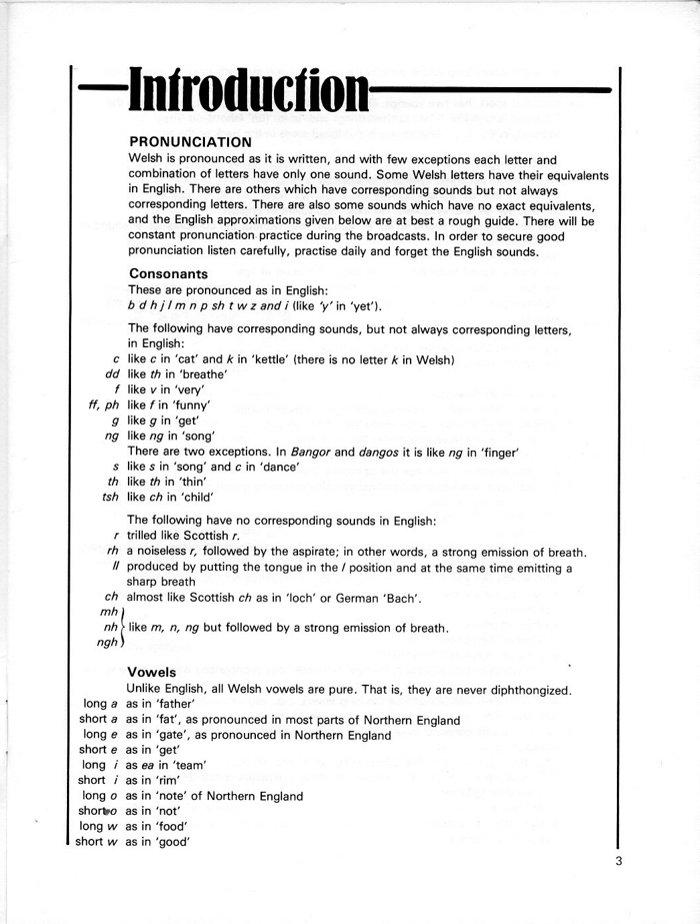
There was also a booklet for this course. The series editors were Bernard Evans and J. Idris Evans, with production credited to Bernard.
Note: There is some uncertainty regarding the dates of these broadcast series, because the programmes may have been repeated in various years. It is also not clear whether one of the courses, Dechrau Siarad or Dewch I Siarad, was more advanced than the other. |